
Making the Invisible Visible in Bioprocessing
Industrial bioprocesses using microbial cultures depend on tightly controlled biological performance. Yet the culture’s physiological state often remains hidden during production. BioSeeAI enables continuous, non-invasive visibility into real biological activity inside the reactor, providing operators with live insight into culture behaviour as it evolves.
Non-invasive integration
Real-time biological visibility
No process disruption
The Monitoring Gap
Despite automation, industrial bioprocessing still relies on intermittent manual sampling and indirect probe measurements that is too slow to track rapid biological changes and prone to contamination risk. While advanced spectroscopy provides better visibility, high costs and technically inaccessible mean most operators lack the real-time insight needed for precise control.
Why It Matters
Failed batches can cost hundreds of thousands per run. Yield variability directly impacts margins, while manual sampling increases labour burden and contamination risk. Yet many operators are forced to choose between affordable tools and meaningful biological visibility.
BioSeeAi aims to close that gap — and we want to understand the challenges you face.
Closing the Monitoring Gap
BioSee AI integrates seamlessly into your bioprocess workflow, providing continuous insight into biological activity inside industrial reactors.
With real-time monitoring, operators can:
- Optimise biomass growth and product formation
- Detect contamination and biomass deviations early
- Improve process timing and yield performance
- Deliver consistent, high-quality bioproducts
How BioSee AI Works
Externally mounted sensors monitor biological signatures without compromising sterility or requiring invasive inline probes.
Embedded AI models interpret complex biological behaviour in real time, translating raw signals into clear, actionable visibility for operators.
The result is earlier detection of contamination, aggregation, and process instability, without the capital burden or complexity of high-end spectroscopy systems.
Closing the Monitoring Gap
BioSee AI combines non-invasive optical and ultrasonic sensing with embedded AI to deliver continuous, real-time biological insight inside industrial bioreactors.
Practical cost. Real biological visibility. No trade-off.
How BioSee AI Works
Externally mounted sensors monitor biological signatures without compromising sterility or requiring invasive inline probes.
Embedded AI models interpret complex biological behaviour in real time, translating raw signals into clear, actionable visibility for operators.
The result is earlier detection of contamination, aggregation, and process instability, without the capital burden or complexity of high-end spectroscopy systems.

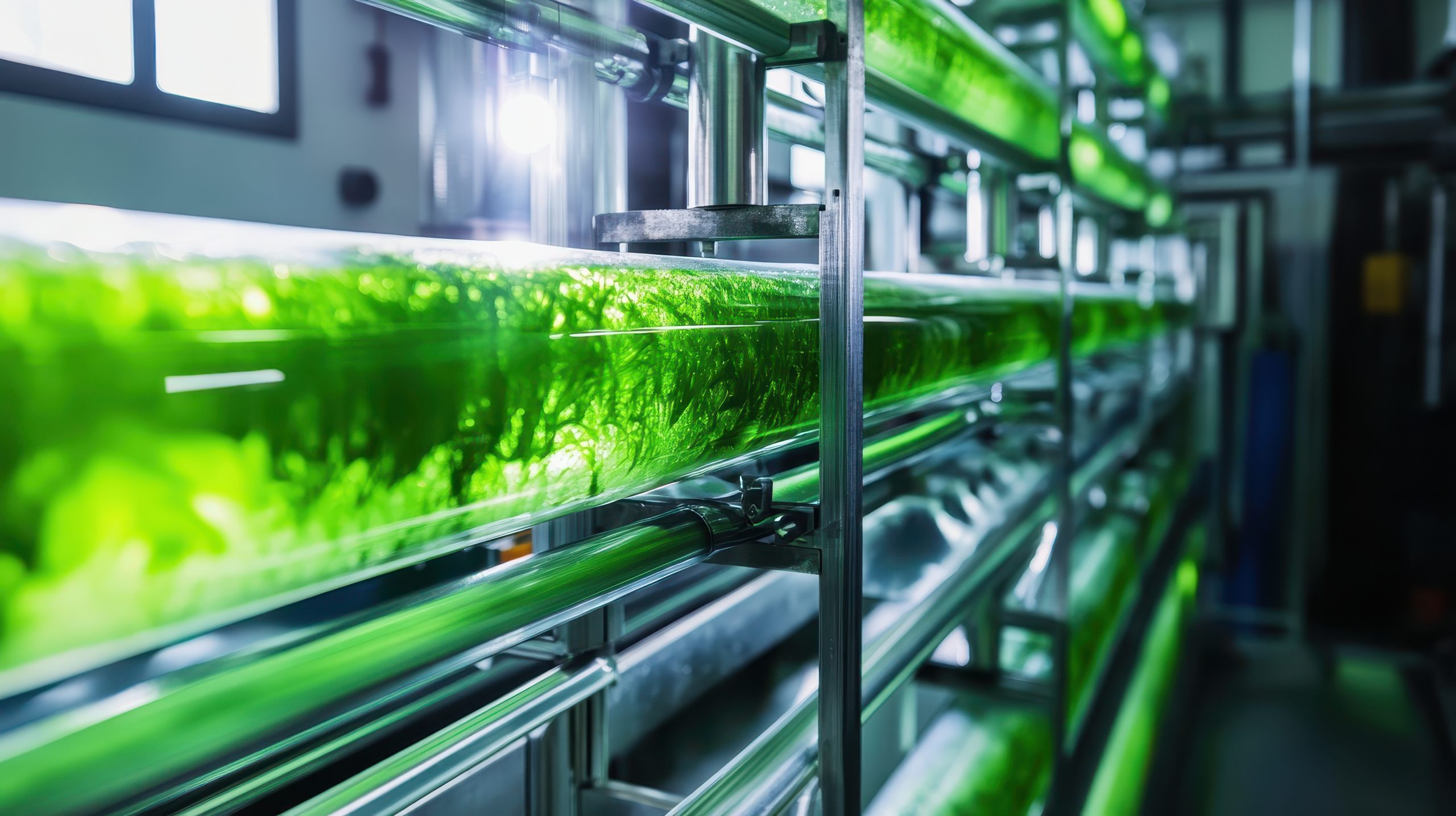
Who Is BioSeeAI For?
BioSeeAI is designed for industrial bioprocess operators who need deeper biological visibility to optimise and control complex fermentation systems.
We can support a wide range of microbial production processes, including:
Alternative proteins
Fungal fermentation
Biofuels
Waste valorisation
Algal biotechnology
Single-cell proteins
Brewing
And many other industrial microbial manufacturing systems
Designed for Industrial Deployment
BioSee AI was built specifically for industrial bioprocess environments, not research-only applications.
Non-Invasive by Design
Externally mounted sensing preserves sterility and eliminates the need for invasive inline probes.
Retrofit Compatible
Integrates with existing bioreactors and control systems without major hardware redesign.
Embedded AI Analytics
Delivers real-time biological insight without requiring an in-house data science team.
Built for SME Deployment
Designed for cost sensitivity, scalability, and real-world industrial constraints.
Join the BioSee AI Pilot Programme
Real-time biological visibility shouldn’t be limited to high-cost systems.
We are expanding industrial pilot deployments with selected bioprocess operators and technology partners.
If you rely on manual sampling or indirect probe data, we invite you to register your interest.